
How to Cook with Cast Iron



When you want perfectly seared steak, gooey skillet cookies, or delicious veggies, nothing beats cooking in a cast iron pan. Once you get the hang of it, you'll see why so many home cooks love using one! It heats evenly, lasts forever, and can go from stovetop to oven.
This post contains affiliate links.

Why Cast Iron is the Best
Cast iron is the ultimate multitasker in the kitchen. You can sear, fry, bake, roast, and even grill with it! Heavy cast iron holds heat like nothing else, giving you that gorgeous crust on cast iron grilled steak or perfectly caramelized onions. Plus, a well-seasoned pan is naturally nonstick. With a little care, cast iron cookware will last a lifetime.
How to Season a Cast Iron Skillet
Seasoning is the process of building up a protective, nonstick layer on your cooking surface. This layer of seasoning not only keeps food from sticking but also helps prevent rust from forming.
Here's how to season a cast iron skillet:
- Start with a clean pan. This can be brand new cast iron or an older cast iron pan with the old buildup rubbed off with steel wool. Dry it completely.
- Add a thin layer of oil. Rub a thin layer of high smoke point cooking oil (avocado, flaxseed, canola, or vegetable) all over the inside, outside, and even the handle.
- Bake it. Place the skillet in the oven upside-down at 450°F (with foil underneath to catch drips) for one hour. Let it cool fully in the oven.
Do this as needed, or any time you notice food starting to stick more than usual.
Can I Use Soap on Cast Iron?
Yes, you can! The myth that soap ruins cast iron just isn't true. A little soapy water won't hurt your seasoning. Just avoid soaking your pan, and always dry it thoroughly before storing. After washing, rub in a thin layer of oil to keep the seasoning strong.

How to Clean Your Cast Iron Skillet
While still warm, wipe out any remaining bits of food with a paper towel or scrub with a brush under hot water.
For stuck-on bits, use coarse salt as an abrasive scrub. There are dedicated cast iron scrubs for this purpose.
Dry completely, then add a little oil and rub it in before storing.
Tip: If you spot any rust, scrub it off, rinse, dry, and re-season!
Cooking with Your Cast Iron
Cast iron is all about even heat. Preheat the pan for a few minutes before adding food. Use medium heat most of the time. Go up to high heat only when searing.
This is especially important when you are searing a steak or making something like a ground turkey sweet potato skillet.
You can even make pizza in a cast iron skillet! Just preheat the pan, press in your dough, add toppings, and bake until the crust is golden and the cheese is bubbly. You can even throw it on the grill for grilled pizza!
Cooking with Cast Iron Outdoors
Cast iron cooking isn't just for your kitchen! It's fantastic for camping, too. You can set your skillet right over a campfire or on a grill. Just keep an eye on your food while cooking, as campfires can get much hotter than you think! You'll want to keep the temperature about equivalent to that of an oven.
A good way to gauge the heat is to hold your hand about six inches above the cooking surface:
- 2-3 seconds before it feels too hot = high heat
- 4-5 seconds = medium heat
- 6-7 seconds = low heat
Aim for medium heat for most recipes, which is roughly equivalent to a moderate oven temperature. You can lower the heat by cooking over glowing coals instead of direct flames, or by moving your skillet to a cooler part of the fire.
Cooking Meat in Cast Iron
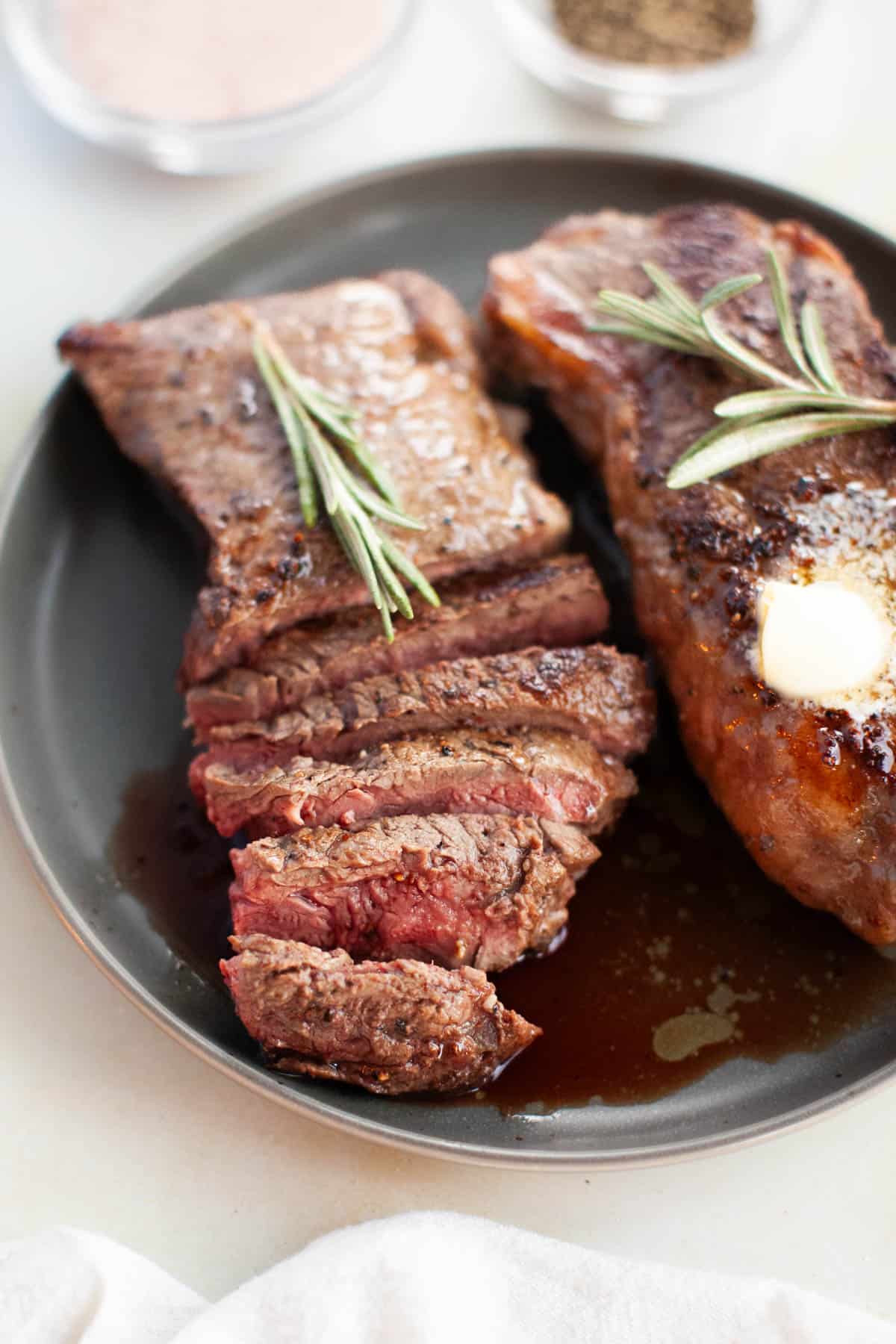
For the best results, start by patting your meat dry and setting aside.
Then, preheat your cast iron over medium-high heat for 3-5 minutes. Add a thin layer of oil, then place the meat in the pan without moving it for the first few minutes. This is key for a good sear.
Flip only once, and cook to your desired doneness. Use a meat thermometer if you're unsure (145°F for steak, 165°F for chicken). Let the meat rest on a plate or wire rack (to keep the crust more fully intact) for 5-10 minutes before slicing so the juices redistribute and the meat stays tender.
Cooking Vegetables in Cast Iron
Preheat your skillet over medium heat for 3-4 minutes. Add a small amount of oil, then spread vegetables in an even layer. Overcrowding will steam them instead of crisping.
Let your vegetables cook undisturbed for a few minutes before stirring or flipping, so they develop a tasty golden-brown sear. Continue cooking until they're tender inside and caramelized on the edges.
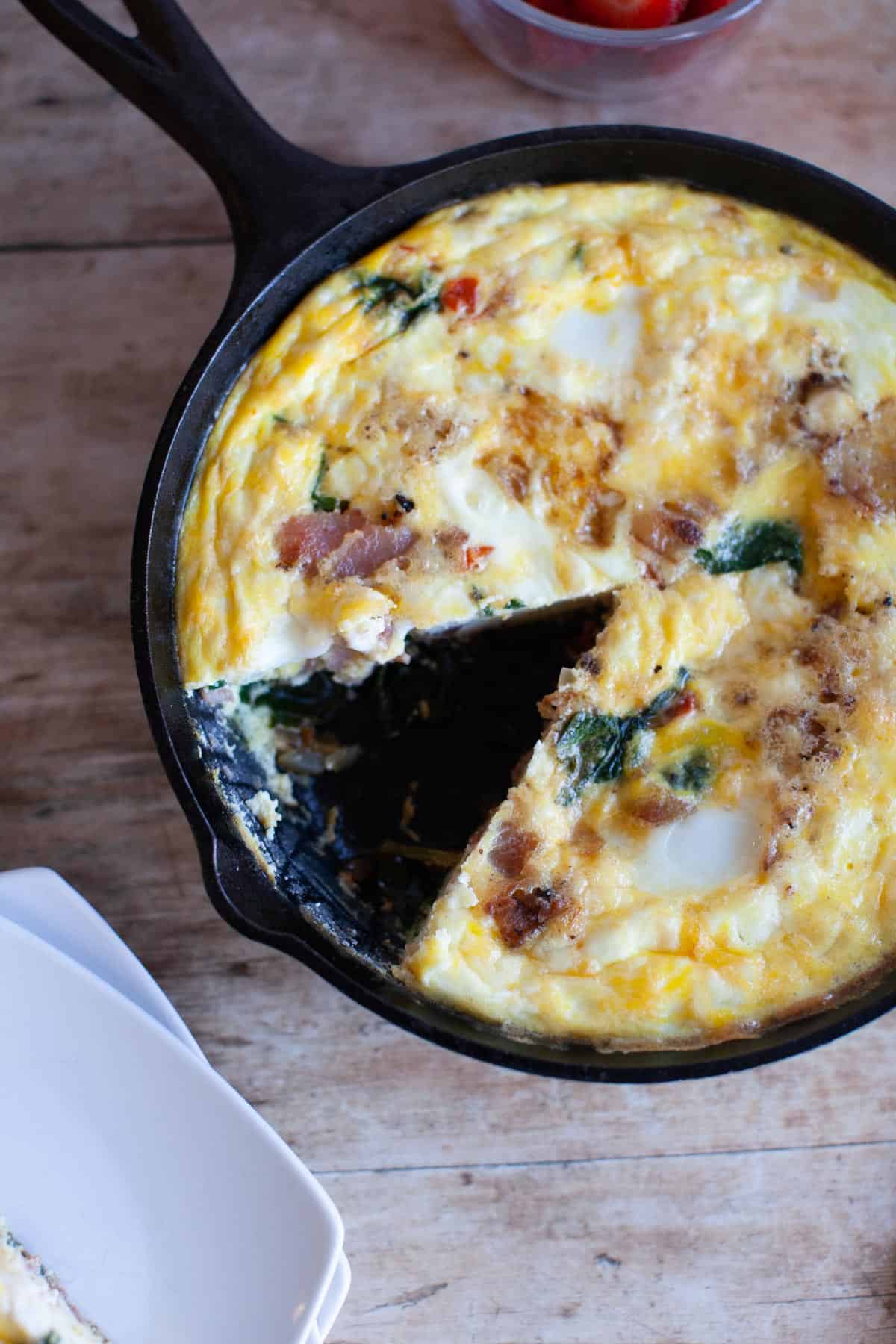
You can also cook other vegetable-based dishes in your cast iron, like a veggie frittata.
Baking in Cast Iron
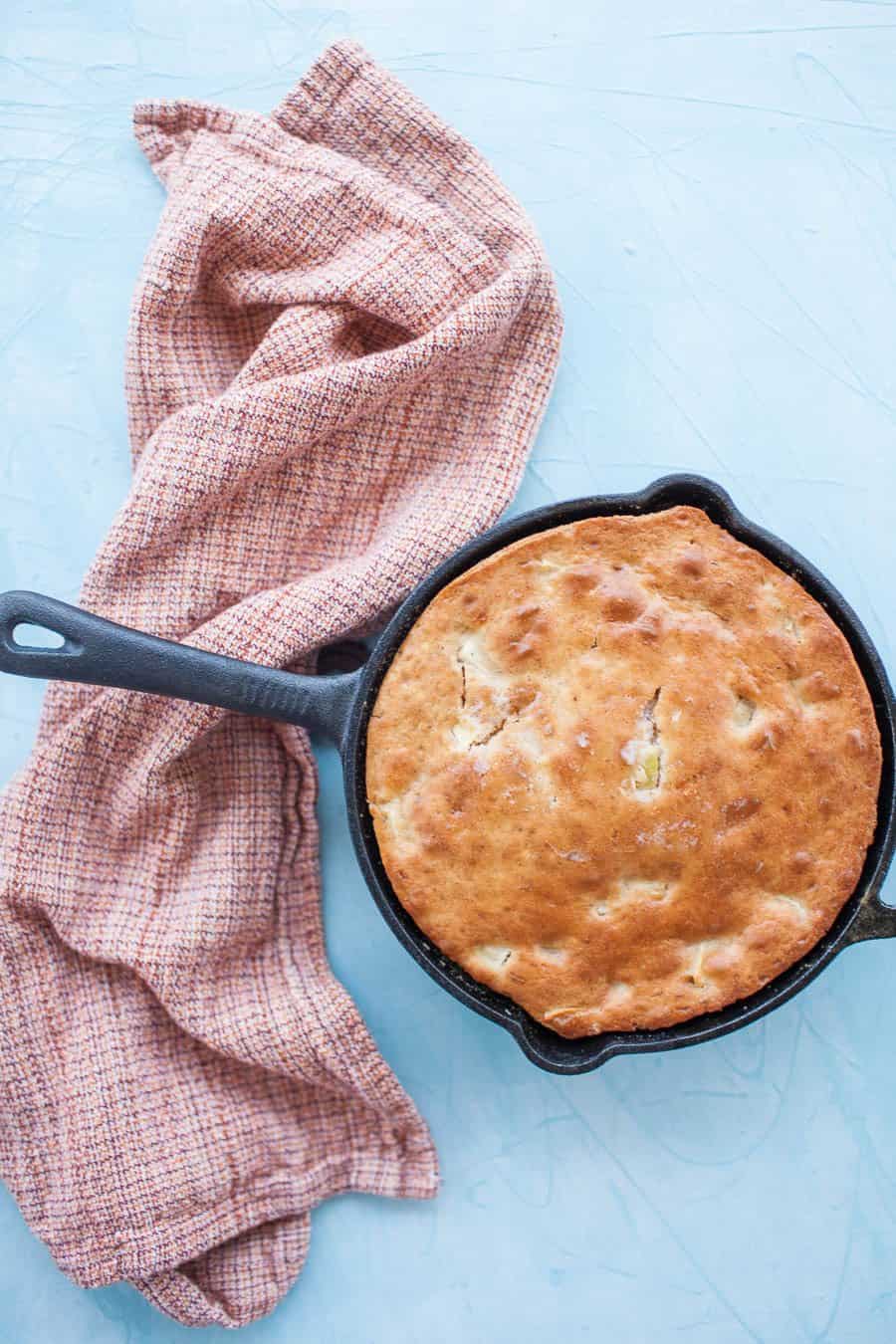
Lightly grease your cast iron skillet or line with parchment, then preheat in the oven for 5-10 minutes if the recipe calls for a crisp bottom crust. Pour in your batter or dough, spreading it evenly to the edges.
Bake as directed, but check for doneness a few minutes early as cast iron retains heat well and may bake slightly faster. Cool briefly before slicing or serving so the baked goods hold their shape.
If you'd like, you can use a cast iron skillet on a baking sheet to make handling easier. Just place the skillet on the baking sheet and remove the whole sheet when the baked good is done cooking!
What Not to Cook in Cast Iron
Using a cast iron pan for acidic foods (like tomato sauce or citrus-based dishes) for long periods can wear down the seasoning. If you want to cook acidic foods regularly, consider an enameled cast iron option, or make sure to re-season your pan after cooking.
Quick Cast Iron Tips and Tricks
- Preheat the pan before adding food. Giving cast iron a few minutes to heat up ensures even cooking and helps food release easily!
- Don't overcrowd the pan. Too much food at once lowers the temperature, leading to steaming instead of searing. Cook in batches if needed.
- Add a thin layer of oil after cleaning. This keeps the seasoning strong and helps prevent rust.
- Store in a dry place. Moisture causes rust, so be sure the skillet is fully dry before putting it away.
- A seasoned cast iron pan is easier to clean. Good seasoning means less sticking and less scrubbing!
Key Takeaways
- Season regularly to keep your pan naturally nonstick and rust-free.
- Preheat for even cooking and a better sear.
- Clean while warm, dry your pan completely, and add a little oil before storing for best results.
- Cook almost anything, from steak to sweets, but limit acidic foods in bare cast iron.
- Cast iron lasts forever with just a little care. It's worth the investment!
Cast Iron Skillet Recipes

I'll teach you how to make simple from-scratch recipes, like seasonings, sauces, dinners and even desserts, that make cooking from home less overwhelming and more enjoyable.
My recipes have been featured on publications like South Your Mouth, Fun.com, Her Campus, Mental Floss, and the TastingTable.


Grab kid tested recipes that actually work for busy families who want wholesome meals without the stress!