
How to Store & Freeze Cupcakes



Once you know how to store and freeze cupcakes, you'll love knowing that you can have cupcakes any time! Freezing is a great way to prolong the life of everyone's favorite bite-size cakes and keep the party going long after you put the mixer away. Get all my tips for freezing cupcakes and frosting - and how to dethaw them to enjoy later.
This post contains affiliate links.
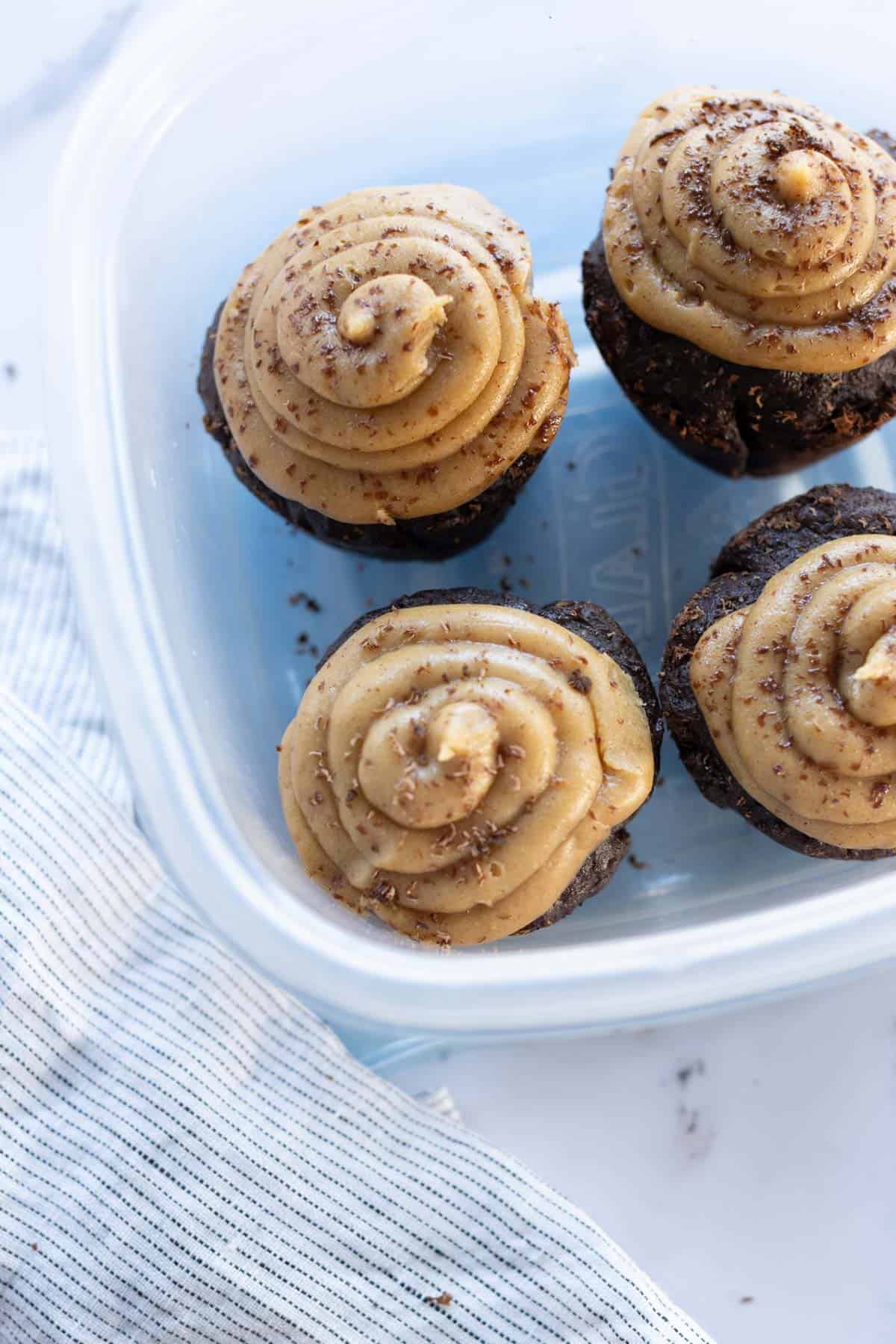
The Ultimate Guide to Storing and Freezing Cupcakes
So you have cupcakes, and that means you're probably celebrating something - a birthday, holiday, engagement, wedding or new baby - or perhaps you're just celebrating your amazing baking skills! And you should. (However, if you bought the cupcakes, it's totally okay and still worth celebrating your decision to acquire cupcakes!)
But sometimes you wind up with extra cupcakes, and what should you do with them? You can store them at room temperature or in the fridge to enjoy later this week, or you can freeze them for later. Frosting is a whole other ballgame, but I'll walk you through that too.
Storing cupcakes is very similar to storing muffins. As a self-taught baker, I've learned these lessons the hard way: through many a not-so-great cupcake. If you've ever reached for a leftover cupcake only to discover it too dry or too soggy, too, then you're going to want to know all my tricks for storing them the right way.

The Best Way to Store Cupcakes
The best way to store cupcakes depends on how soon you want to eat them:
- Within 3 days of baking them: Store them on the countertop at room temperature.
- In the next few days: Store them in the fridge, but with the risk of a change in texture. Alternatively, store what you'll eat in the next few days using the countertop method, then freeze the rest.
- Within the next 3 months: Store them in the freezer - reheat when you get a cupcake craving!
These methods work for most cupcakes: homemade recipes, store-bought, frosted, un-frosted and filled cupcakes. They work with any flavor too, from chocolate cupcakes to lemon cupcakes. Here's out ultimate step-by-step guide to storing, freezing and thawing cupcakes.
How to Keep Cupcakes Fresh
There are a few factors that affect cupcake freshness:
- Moisture: If there is any excess moisture in your cupcake storage, typically from condensation in your storage container, it can cause soggy cupcakes. Frosted cupcakes have extra moisture thanks to the frosting.
- Air exposure: When cupcakes are exposed to air, it can dry them out and make the frosting crispy instead of fluffy.
- Temperature: If you're storing them somewhere warm, it can affect the frosting, especially if it's made with fresh ingredients.
Baking Your Own Cupcakes
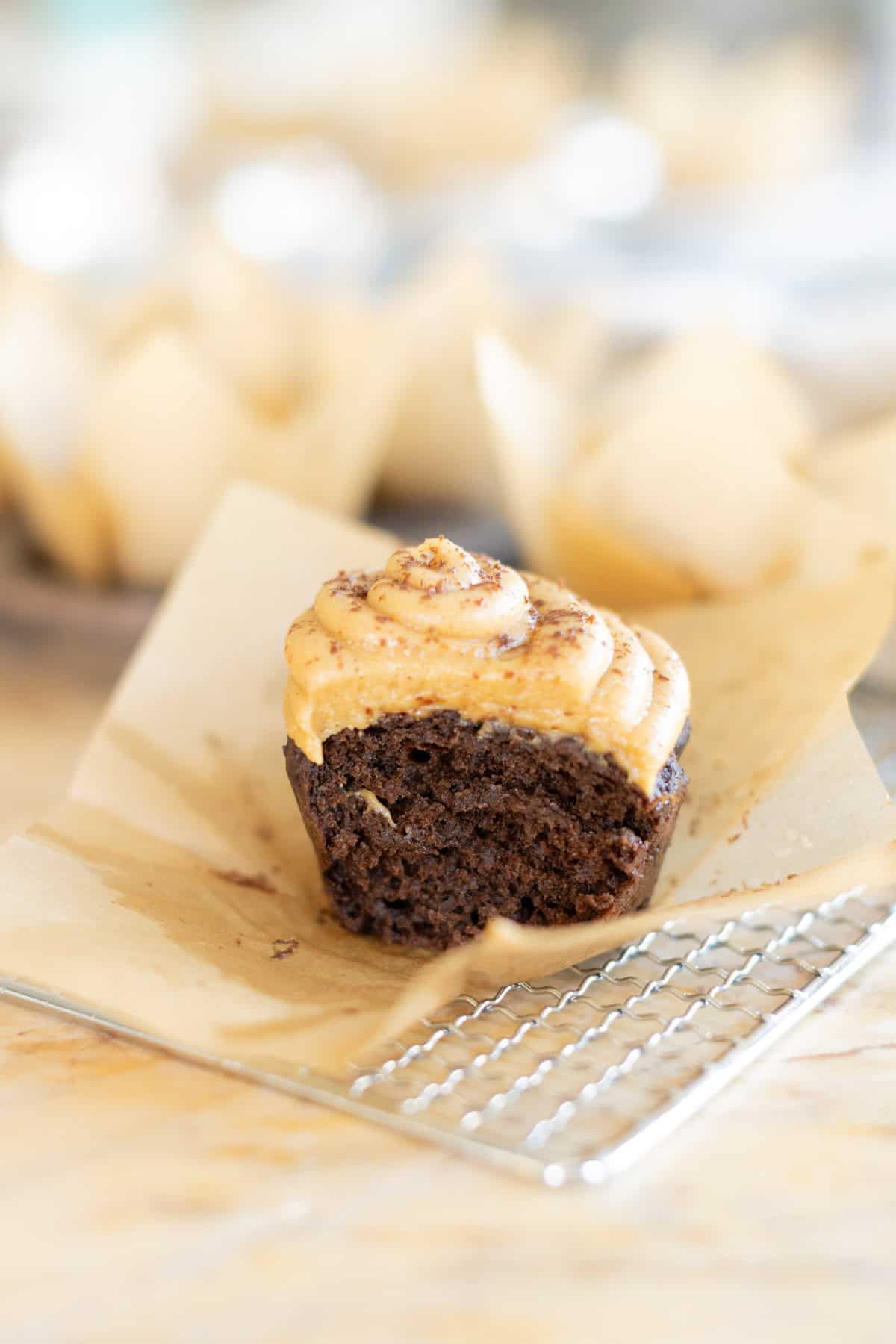
If you're baking homemade cupcakes, the first thing you need to do is let them cool down all the way. You'd do this anyway if you are frosting the cupcakes as well (otherwise you'd melt the frosting!), but if you know now that you'd like to save some for later, don't frost the ones you are saving. It's easiest to store unfrosted cupcakes, but you can still keep them if you do frost them.
Why let them cool? If you store them too soon, any residual heat will turn to condensation. The condensation is water that gets trapped in your storage container with nowhere to go... except drip onto your cupcakes and make them soggy.
There is nothing worse than a soggy cupcake, so here's how to handle this:
- First, let them cool in the cupcake pan for a few minutes.
- Then transfer the warm cupcakes to a wire rack to cool more.
- When the cupcakes are fully cooled down, after at least an hour, it's safe to store them.
It doesn't matter if you use paper cupcake liners or silicone ones - they will still need lots of time to cool down fully. On the flip side, if you leave them out too long they can get stale and dry. So it's imperative to time this out perfectly. (It's not hard though, I promise.)
At Room Temperature
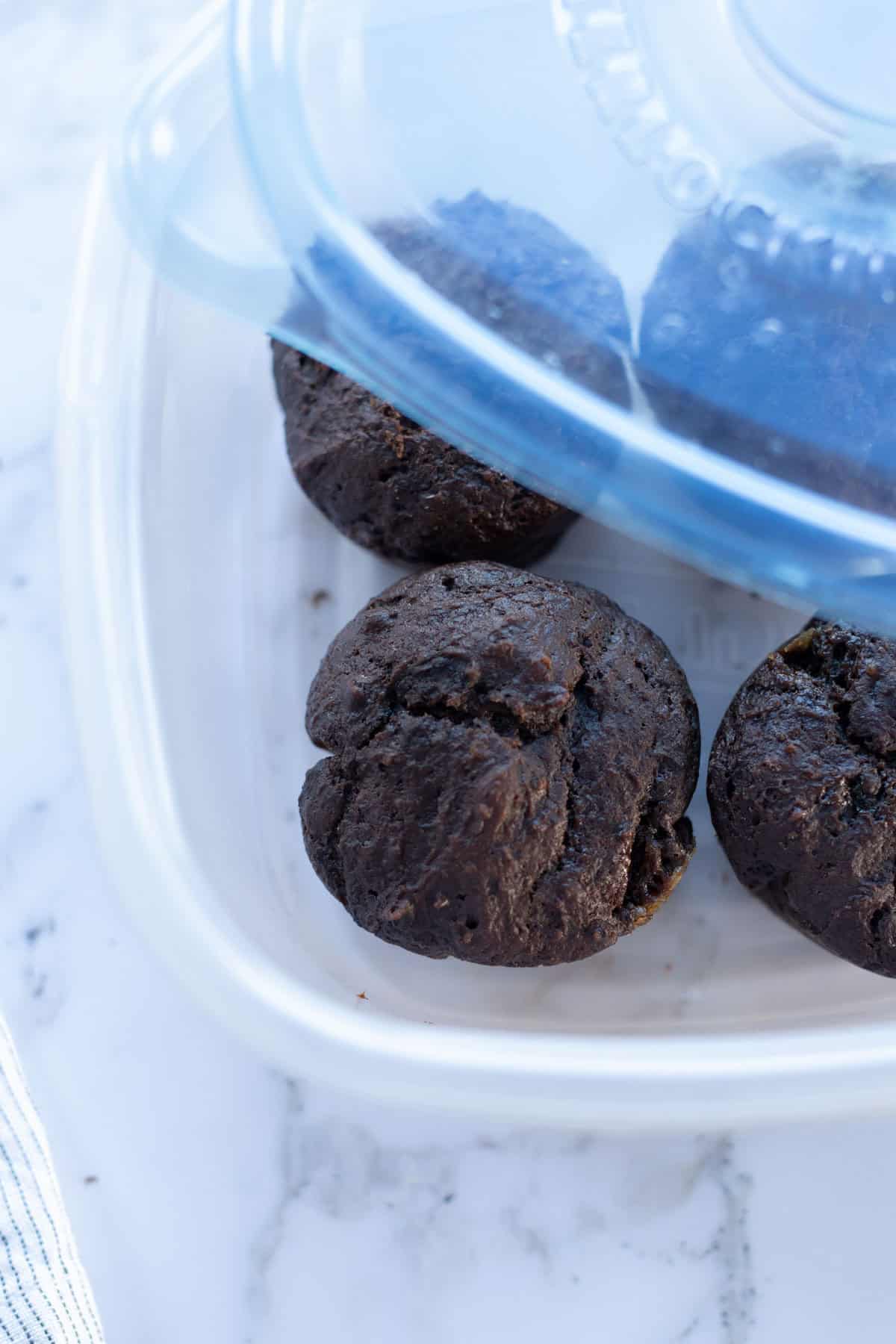
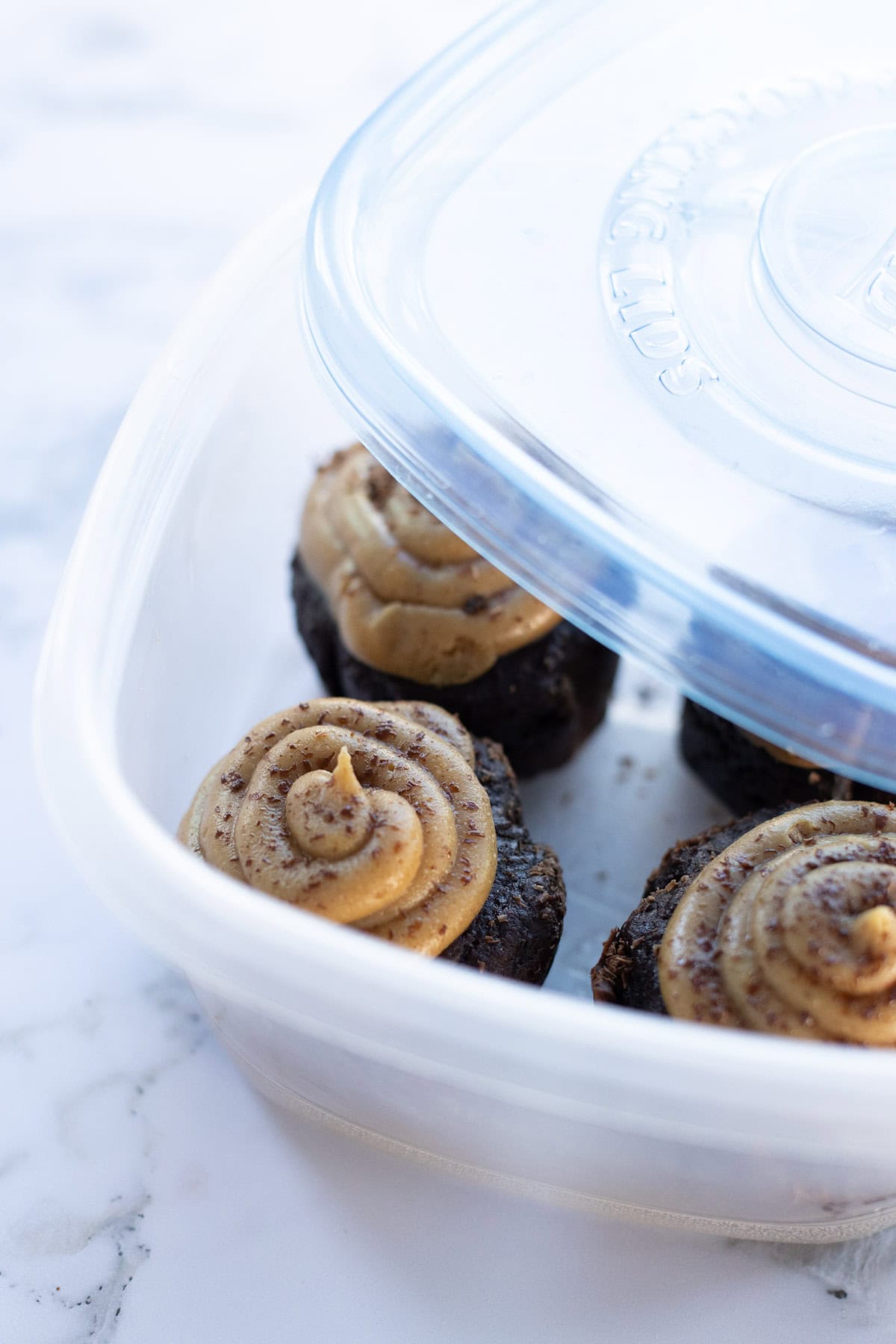
Room temperature cupcakes are the ideal texture. The best way to store them is in a resealable, food-safe storage container. Glass or plastic is fine. This method is perfect for storing cupcakes overnight.
Both iced and uniced cupcakes last for 2-3 days at room temperature. If they aren't going to be eaten within that time, I recommend refrigerating or freezing them instead.
In the Refrigerator
Refrigeration can help cupcakes last a little longer without drying out too much (as long as they're properly stored). But there are a few reasons why you might choose the fridge over room temperature:
- Perishable fillings - If your cupcakes have fillings like custard, whipped cream, fresh fruit or cream cheese, they need to be refrigerated to stay safe to eat.
- Frosting made with perishable ingredients - Buttercream made with heavy cream, cream cheese frosting or whipped cream frosting can spoil at room temperature.
- Warm or humid environments - If your kitchen is particularly warm or humid, cupcakes (especially frosted ones) can become too soft, sticky or even start to melt.
- Extended storage - Cupcakes left at room temperature are best eaten within a couple of days, but the fridge can add a couple more days to their shelf life.
When it's time to serve refrigerated cupcakes, let them sit at room temperature for about 30 minutes to soften. If you need a quicker fix, microwave an unfrosted cupcake for 5-10 seconds or briefly warm a frosted one in 3-5 second bursts.
If the frosting has hardened, giving it a quick whip with a spoon or adding a fresh layer can bring it back to life. Proper storage and a little refresh can make refrigerated cupcakes taste just as good as freshly baked ones.
How to Prevent Cupcakes from Drying Out
To prevent cupcakes from drying out in the fridge, proper storage is key. The best method is to place them in an airtight container to lock in moisture. Be sure the lid is on all the way!
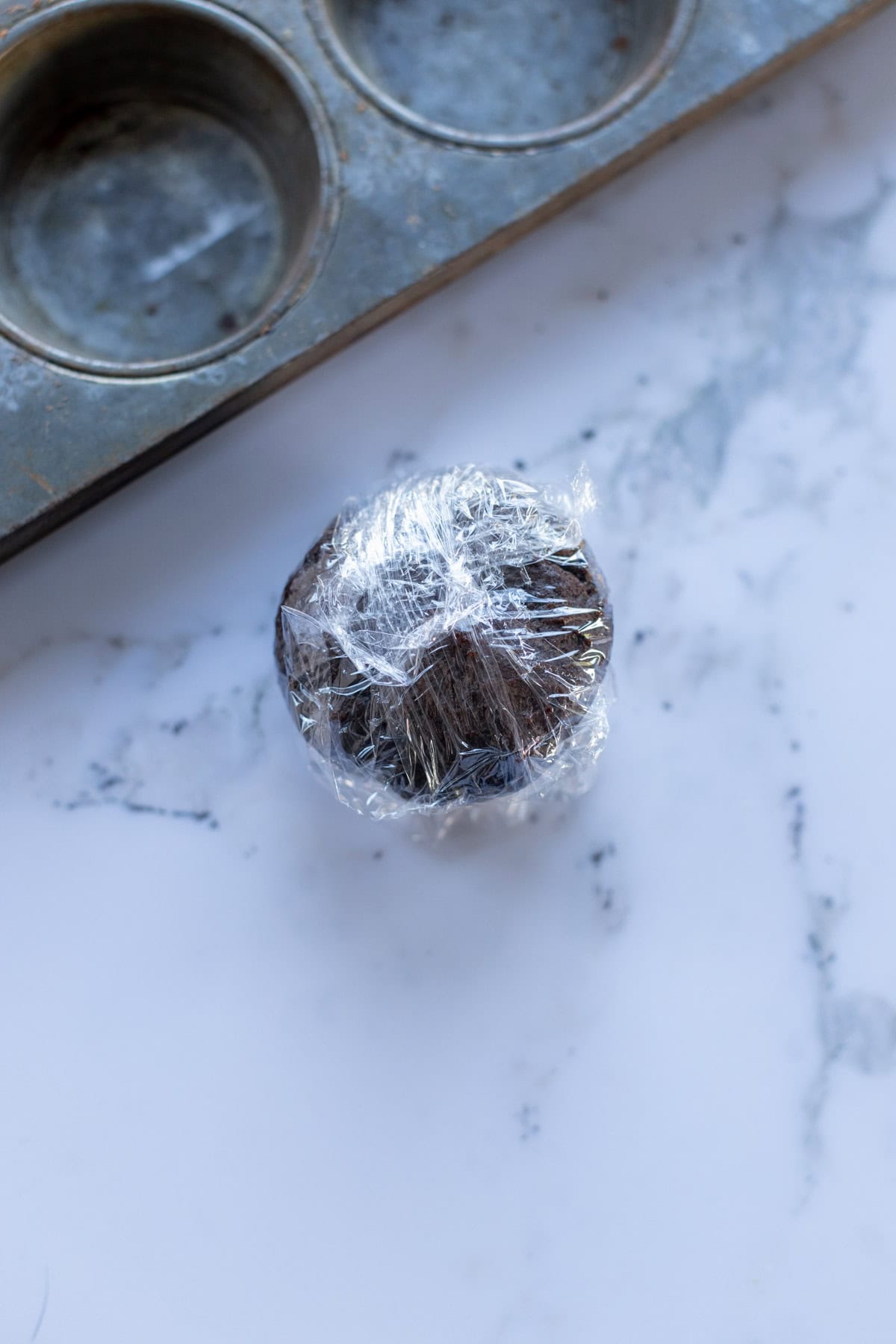
If storing unfrosted cupcakes, wrap each one individually in plastic wrap before sealing them in the container. For extra protection, place a piece of plastic wrap over the tops of the cupcakes inside the container or add a slice of bread or a paper towel - this helps maintain moisture without affecting the flavor.
If cupcakes are frosted, use a tall container to prevent squishing or denting the frosting.
How to Store Cupcakes in the Freezer
Freezing cupcakes is the best way to enjoy cupcakes for a while after you make them. There are two ways to store them in the freeze:
Freeze Wrapped Cupcakes
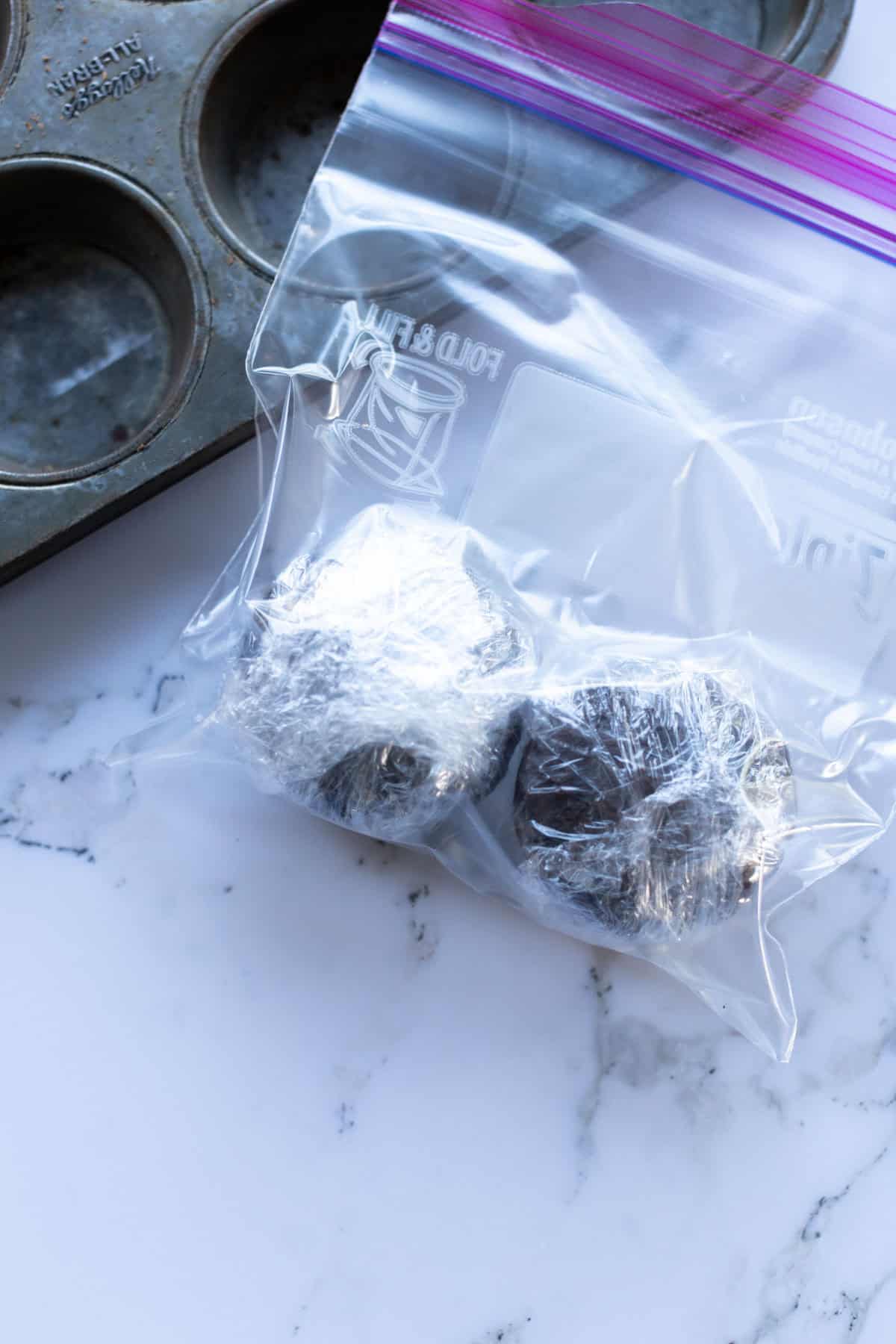
The first way is to individually wrap the cupcakes so they don't stick together, and it also helps prevent freezer burn.
- Once the cupcakes are totally cooled, wrap them individually with plastic wrap.
- Then store them in a ziptop freezer bag or resealable food storage container.
Quick-Freeze Cupcakes
The second way is my favorite method, called quick freezing. Quick freezing helps to ensure that the cupcakes don't stick together in the bag so that you can more easily pull them out of the container individually. It's another step, but you don't have to wrap them in plastic wrap.
- Place the cupcakes in the freezer on a baking sheet or your cooling rack for 15 minutes.
- Then you can move them to a container or freezer-safe bag, and place them back in the freezer.

Freezing Frosted Cupcakes
While you can freeze frosted cupcakes, it takes a little TLC to maintain their texture and appearance. However, it's a great way to get cupcakes ready for a birthday party!
Most frostings, like buttercream, cream cheese frosting and ganache, freeze well, but lighter frostings such as whipped cream or meringue-based frosting may not hold up as well after thawing. Dairy in general can be tricky. Any toppings like sprinkles, candies or sauces may not thaw well, so it may be better to add those once thawed.
- Place them uncovered on a baking sheet in the freezer for about 1-2 hours until the frosting is firm.
- Once set, carefully wrap each cupcake in plastic wrap and place them in an airtight container or freezer-safe bag to prevent freezer burn. Properly stored, they will last up to 3 months.
- Thaw frozen cupcakes in the fridge overnight or at room temperature for about an hour. Avoid microwaving cupcakes, as it can cause the frosting to melt. If condensation forms on the frosting while thawing, let it air dry before serving to maintain the best texture.

How to Store Frosting
Most types of frosting freeze well, making it easy to store leftovers for future use! It's also ideal if you want to decorate your cupcakes later and have a little more control over how they look.
Buttercream, cream cheese frosting and ganache all freeze beautifully, while whipped cream and meringue-based frostings can be trickier due to their airy texture. To freeze frosting:
- Transfer it to an airtight container or a resealable freezer bag, pressing out as much air as possible.
- Label it with the date, and store it for up to 3 months.
- When ready to use, thaw it in the fridge overnight, then let it come to room temperature.
- Whip or stir the frosting to restore its fluffy texture before using. If it appears too thick, a splash of milk or cream can help smooth it out.
Storing Store-Bought Cupcakes
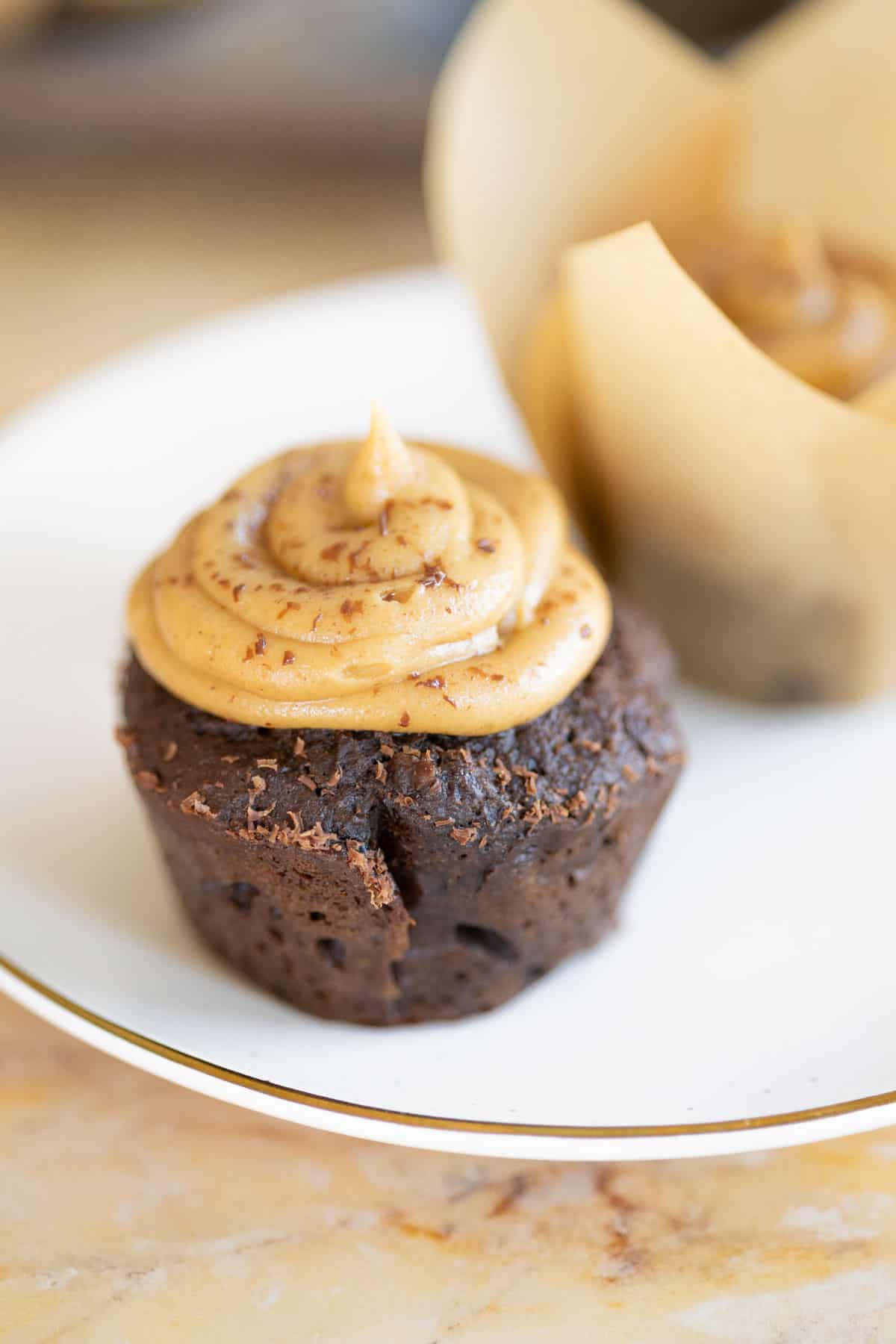
You can store and freeze store-bought cupcakes the same way you would homemade ones. Be sure to use an airtight container that is tall enough to hold your cupcakes without messing up the frosting!
- Start by placing them uncovered on a baking sheet in the freezer for 1-2 hours until the frosting hardens.
- Once the frosting is firm, wrap each cupcake individually in plastic wrap and transfer them to an airtight container or freezer-safe bag to prevent freezer burn. When stored properly, they will stay fresh for up to 3 months.
- To serve, thaw in the refrigerator overnight or leave them at room temperature for about an hour. Avoid using the microwave, as it can cause the frosting to melt. If condensation appears on the frosting while thawing, allow it to air dry before serving for the best texture.

I'll teach you how to make simple from-scratch recipes, like seasonings, sauces, dinners and even desserts, that make cooking from home less overwhelming and more enjoyable.
My recipes have been featured on publications like South Your Mouth, Fun.com, Her Campus, Mental Floss, and the TastingTable.


Grab kid tested recipes that actually work for busy families who want wholesome meals without the stress!